Butterfly Moth: A Thoughtful Designer’s Review
First Impressions: Sweet, Soft, and Surprisingly Versatile
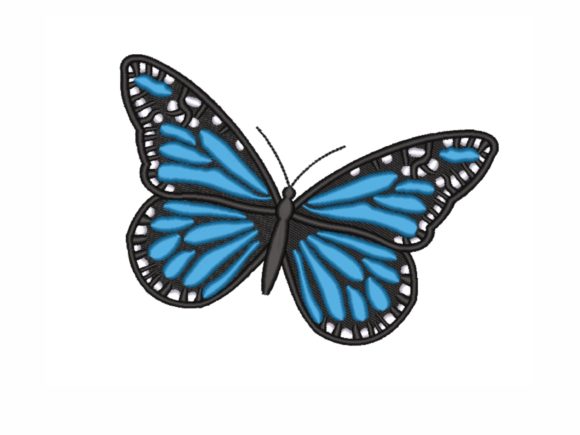
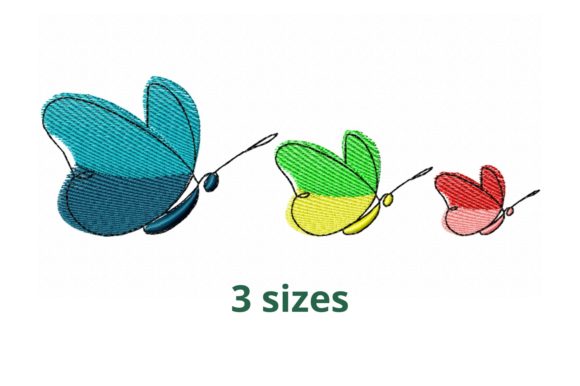
When I opened the Butterfly Moth embroidery file, what struck me first wasn’t technical precision—it was mood. This isn’t a bold, graphic insect; it’s a gentle, rounded silhouette with subtle wing contours and soft curves. It feels intentional—not overly detailed, not stripped bare—just right for a handmade product that whispers “carefully made” rather than shouts “machine-made.” As a designer who regularly selects embroidery files for client projects and small-batch merchandise, I appreciate how easily Butterfly Moth lands in that sweet spot between charm and clarity.
A Real-World Test: Stitching It on a Linen Tote Bag
Last week, I used Butterfly Moth on a natural linen tote for a local boutique’s spring collection. The fabric had visible weave and slight texture—nothing extreme, but enough to test how well the design holds shape without over-stitching. I chose a medium-weight cutaway stabilizer and ran it at standard density. The result? Clean satin stitch edges on the wings, smooth fill stitch bodies, and no thread nesting—even around the narrowest wingtips. Customers responded immediately: “It looks hand-drawn,” one said. That’s the goal—not photorealism, but approachable artistry.
Where Butterfly Moth Shines (and Where It Needs Care)
Butterfly Moth excels in contexts where softness and warmth matter most:
- Custom apparel: Works beautifully on lightweight cotton tees and relaxed-fit sweatshirts—especially when placed off-center or along a seam for organic flow.
- Baby embroidery: Its rounded form reads as friendly and non-intimidating on onesies and burp cloths. No sharp angles, no fussy details to snag tiny fingers.
- Pillow covers & tea towels: Scales well up to 4–5 inches without losing legibility. The balanced proportions keep it from looking top-heavy or thin.
- Holiday and wedding gifts: Paired with muted thread colors (dusty rose, sage, oatmeal), it reads as timeless—not seasonal—making it ideal for keepsake items like baby blankets or bridesmaid aprons.
That said, it’s not universally forgiving. On stretchy fabric, like jersey knits or ribbed cuffs, I recommend testing with basting stitches first—the wing tips can distort if tension isn’t dialed in. And while it’s lovely on dark fabric, avoid ultra-fine threads (like 60-weight) unless you’re confident in your machine’s capability; contrast matters more here than detail.
What It Adds—Beyond Just Stitches
Using Butterfly Moth in a craft business isn’t just about placement—it’s about perception. On an Etsy listing for embroidered kitchen towels, this design elevates the item from “handmade” to “thoughtfully designed.” Buyers notice the balance: not so simple it feels generic, not so complex it reads as mass-produced. For small shop owners, that nuance builds trust. For apparel decorators, it offers a quiet alternative to florals or typography—something nature-adjacent but distinct from overused ladybug or bee motifs in the Bugs Insects category.
As a digital embroidery file, Butterfly Moth also supports strong branding. Its clean lines translate well into printable mockups—no jagged edges or pixelated previews. When layered into a boutique’s visual identity (think packaging tags, social banners, or email headers), it holds up across sizes and formats. That consistency is rare in simple designs—and valuable for creative entrepreneurs building a recognizable aesthetic.
Practical Designer Notes You’ll Actually Use
Before stitching Butterfly Moth into your next project—or listing it as part of your digital embroidery shop—here’s what I always do:
- Test on scrap fabric first, especially if using textured or dark material. Linen, chambray, and brushed cotton behave differently than quilting cotton.
- Check thread color contrast in both daylight and indoor lighting. What reads softly in studio light may disappear on a cream sweater under café lighting.
- Review stitch density—not just for appearance, but for wear. High-density fills hold up better on frequently washed items like baby clothes or tea towels.
- Confirm hoop size compatibility. If you’re working with smaller hoops (like 4x4), verify the design fits comfortably with margin room for hooping stability.
- Inspect small details closely: wing veins, antennae tips, body segmentation. Even subtle elements affect how “finished” the final product feels.
- Test black-and-white mockups before committing to color palettes—this reveals balance issues faster than any RGB preview.
- Use proper stabilizer for your base fabric. Cutaway for knits, tear-away for stable wovens, and fusible for lightweight silks or voiles.
- Verify licensing before selling finished items or bundling Butterfly Moth into digital embroidery collections. Commercial use rights aren’t automatic—even for simple designs.
Final Thought: Not Just Another Bug Design
In the crowded world of Embroidery assets, Butterfly Moth stands out by doing less—but doing it with intention. It doesn’t try to mimic photography or compete with hyper-detailed applique designs. Instead, it leans into its simplicity with confidence. That makes it unusually adaptable: equally at home on a child’s sunhat, a linen napkin set for a wedding, or a limited-run tote for a botanical-themed Etsy shop.
If you’re curating design assets for real-world making—not just scrolling through thumbnails—Butterfly Moth earns its place not because it’s flashy, but because it’s reliable, expressive, and quietly professional. It reminds me why I still reach for embroidery first: because sometimes, the smallest wingbeat carries the most meaning.