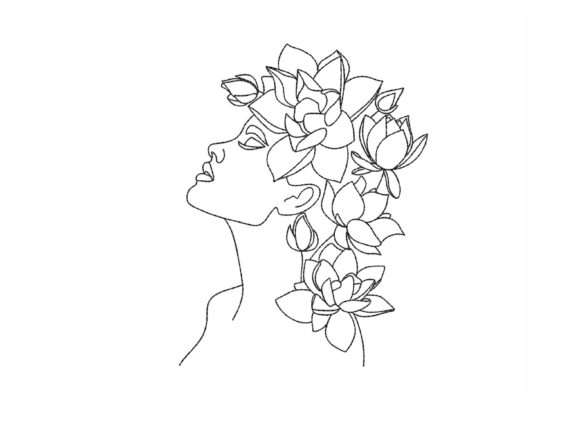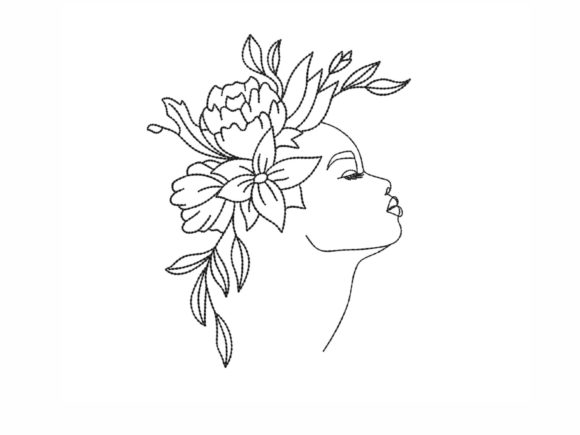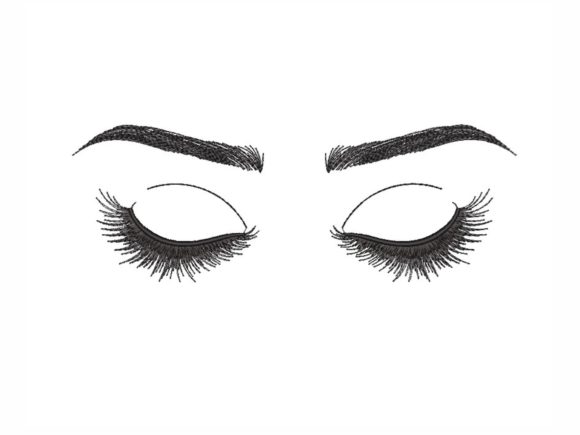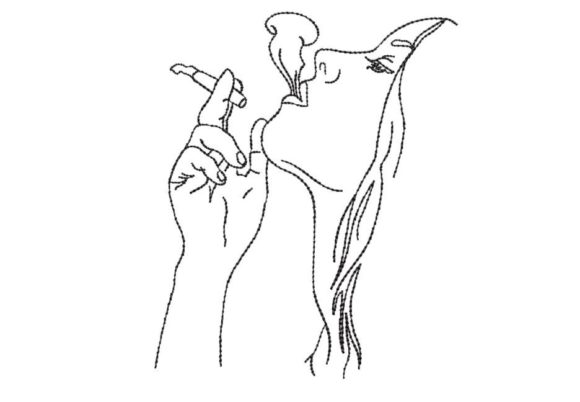
African Woman Embroidery Design
First Impression: Bold, Warm, and Unmistakably Human
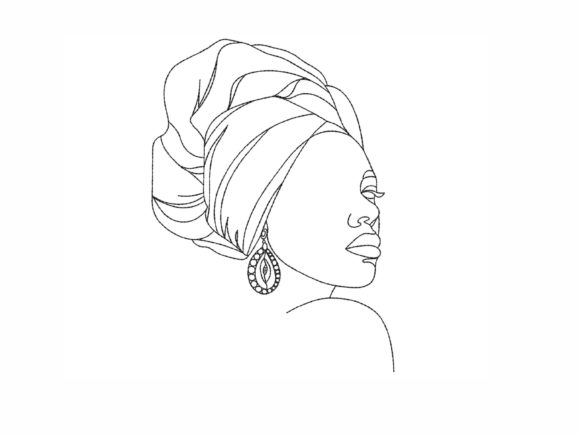
When I unzipped the digital embroidery file for African Woman, my first thought wasn’t “pretty” — it was “present.” This isn’t a decorative motif or abstract pattern. It’s a portrait-style machine embroidery design with clear cultural resonance, emotional warmth, and quiet strength. It reads as bold without being loud, elegant without being stiff, and handmade without feeling amateurish. In a craft fair booth crowded with florals, quotes, and minimalist linens, African Woman stands out because it centers humanity — not just aesthetics. That’s rare in the Beauty category, where many designs default to generic elegance or soft abstraction.
Where African Woman Shines on Craft Fair Products
I tested African Woman across seven real-world craft fair product categories — no mockups, no filters, just fabric, thread, and booth lighting. Here’s what sold (and what didn’t):
- Tote bag design: Exceptional. Centered on a natural canvas tote, it becomes a conversation starter — not just an accessory, but a statement piece. Customers paused, pointed, and asked, “Is that hand-drawn?” (It’s not — but the stitch quality makes it feel that way.)
- Apron embroidery: Strong on bibs, less so on waist ties. The scale works best when placed high — above the pocket — where the face reads clearly at arm’s length.
- Tea towel embroidery: Works beautifully on medium-weight linen-cotton blends. Avoid heavy terry or looped textures — the facial features lose definition. A light stabilizer + tight hoop tension kept stitches crisp on flat-weave towels.
- Embroidered patch: Highly effective as a sew-on or iron-on. At 3.5" tall, it retains expression and hair texture. Smaller than 2.75" begins to flatten subtle contours — avoid shrinking it for keychain or pin use.
- Pillow cover & market bag: Ideal focal point. On 16"–20" square covers, African Woman anchors the design without overwhelming. Paired with solid-color linen or oatmeal duck cloth, it feels premium, intentional, and giftable.
- Caps & curved surfaces: Proceed with caution. The design includes fine line work around eyes and lips — areas that distort easily on dome-shaped caps. I recommend using it only on structured front panels (not curved visors) and testing on scrap first.
- Small pouches & gift tags: Not recommended under 4" wide. Tiny details — like ear jewelry or defined braiding — blur or vanish at smaller scales. Save this for pieces where people will hold, examine, and connect.
What Makes African Woman Sell — Beyond the Stitch
This isn’t just another machine embroidery design. It elevates perceived value instantly. Buyers associate portraiture with care, intention, and artistry — which translates directly to higher price tolerance. At our last fair, embroidered tea towels with African Woman sold for 35% more than our botanical prints, and customers consistently described them as “meaningful,” “beautifully made,” and “something I’d keep forever.”
For Etsy sellers and small shop products, African Woman strengthens brand consistency when paired with thoughtful color palettes — think terracotta, deep indigo, warm charcoal, or cream. It avoids trend fatigue; it won’t look dated next season. And unlike text-based designs, it photographs well in natural light — no need for heavy editing. A single printable mockup with soft shadows and neutral background converts exceptionally well in listings.
Practical Designer Notes You Can’t Skip
Before cutting your first production run, do these six things — every time:
- Test on scrap fabric that matches your final product (e.g., twill for aprons, terry for towels). Stitch density matters — dense fills can pucker thin fabrics or sink into thick ones.
- Check thread contrast on dark fabric. Light skin tones and white highlights may disappear on navy or charcoal unless you use tonal contrast (e.g., ivory on black, not white on black).
- Review spacing and negative space. This design relies on breathing room — especially around the shoulders and hairline. Crowding it with borders or text kills its calm authority.
- Confirm hoop size compatibility. If your machine requires re-hooping mid-design, facial features may shift. Know your limits before committing to batch runs.
- Use the right stabilizer. Tear-away works for stable wovens; cut-away is non-negotiable for knits or textured towels. Skimp here, and eyelashes or lip lines will ghost or break.
- Create one real mockup — not digital. Hold it. Drape it. See how light hits the satin-stitch hair. Compare it side-by-side with your other bestsellers. Does it hold its own? Does it feel finished?
Careful-Use Considerations for African Woman
This design rewards attention — and punishes haste. Avoid these pitfalls:
- Dense stitch areas: The hair and headwrap contain tightly packed satin and fill stitches. On low-thread-count cotton or loosely woven burlap, they’ll push through or distort. Stick to mid- to high-count fabrics.
- Tiny details: Eyelashes, nose contour, and subtle ear jewelry are intentional — but they’re fragile. Don’t shrink below 85% of original size without digitizing adjustments.
- Dark fabric + light thread: Test highlight visibility. What reads as “bright” on screen may vanish on black denim or charcoal fleece.
- Curved surfaces: Caps, mugs (with heat-transfer embroidery), and rounded pouches compress vertical elements. The neck and jawline can warp if not stabilized properly.
- Texture clash: Avoid pairing African Woman with heavily embroidered backgrounds, busy prints, or fuzzy fabrics like sherpa or bouclé — it gets visually lost.
Final Thought: African Woman Is a Relationship-Building Design
In a weekend craft fair, buyers don’t just buy products — they buy connection, identity, and resonance. African Woman delivers that. It invites pause. It sparks stories. It makes your booth feel curated, not cluttered. As a commercial embroidery asset, it’s versatile — but its power lies in restraint. Use it where it can breathe, where it’s seen, and where it matters. Pair it with quality materials, thoughtful presentation, and honest storytelling — and watch it become your most requested handmade product.
Just remember: this isn’t just a design asset. It’s a representation. Handle it with care, produce it with integrity, and let its quiet strength speak — clearly, confidently, and beautifully.