Birdhouse: A Charming Spring Embroidery Design for Seasonal Sales
First Impressions: Rustic Charm Meets Gentle Seasonal Joy
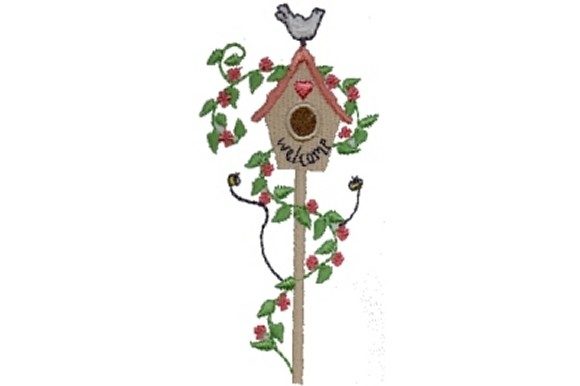
As an embroidery designer who’s built collections for six holiday cycles, I opened Birdhouse expecting a simple silhouette—and found something warmer. It carries the quiet optimism of early spring: not overly festive, but deeply inviting. The design reads as rustic and cozy, with soft curves and balanced negative space—no sharp edges or aggressive detail. It avoids cartoonish cuteness while still feeling approachable, making it ideal for Farm Country-themed shops that value authenticity over trend-chasing. There’s a subtle nostalgia here—not vintage-dated, but timelessly grounded. That emotional tone is gold for seasonal embroidery: it invites connection without demanding attention.
Real-World Holiday & Seasonal Use Cases
Birdhouse shines where versatility meets intention. On kitchen towels and aprons, it adds gentle personality without overwhelming function—perfect for Easter brunch bundles or Mother’s Day gift sets. As a pillow cover motif, it elevates neutral linen with quiet charm, fitting seamlessly into farmhouse, cottagecore, and even minimalist home decor lines. For tote bags and sweatshirt embroidery, its clean outline holds up beautifully at 3.5–4.5 inches wide—ideal for chest placements or sleeve accents.
It’s especially strong for personalized gifts: pair it with a monogrammed initial on a baby onesie or a custom embroidered patch sewn onto a denim jacket. At craft fairs, Birdhouse stands out in curated displays—not loud, but memorable. On Etsy listings, it performs well in titles like “Spring Birdhouse Embroidery File – Farm Country Kitchen Towel Design” because it signals seasonality, category, and use case instantly. And for social media previews? Its organic shape translates clearly in thumbnail size and reads well in printable mockups—even on Instagram Stories or Pinterest pins.
Where to Use Birdhouse Thoughtfully
This isn’t a one-size-fits-all machine embroidery design. Its charm lies in restraint—but that means certain applications need extra care. Avoid placing Birdhouse on curved caps or stretchy knit sweatshirts unless you’ve tested stabilizer layers thoroughly; the gentle curves can distort if fabric movement isn’t controlled. On thick terry cloth kitchen towels, reduce stitch density slightly or increase underlay—otherwise, the fill may sink or pucker. Dark fabric demands careful thread color selection: light ecru or oatmeal thread gives warmth without glare, while charcoal gray adds depth without muddiness.
Don’t force it into tiny hoop sizes (<4” x 4”) without checking small details—especially if the original file includes delicate perch lines or feather texture. Metallic thread? Use sparingly and only on stable, non-stretch fabrics—the sheen can highlight inconsistencies in stitch density. And for items requiring repeated washing (like baby bibs or kids’ aprons), confirm the file uses satin-stitched borders and secure jump stitches—not just open-outline fills.
How Birdhouse Strengthens Your Seasonal Strategy
Seasonal embroidery isn’t just about timing—it’s about emotional resonance. Birdhouse taps into universal spring associations: renewal, nesting, gentle growth. That makes it highly giftable, especially for new homeowners, grandparents, gardeners, or anyone welcoming a baby. Buyers don’t just purchase a design—they invest in a feeling. That emotional lift increases perceived product value, encourages bundling (e.g., matching towel + pillow + apron sets), and builds customer trust: when your shop consistently delivers cohesive, well-executed seasonal embroidery, shoppers return year after year.
Visually, Birdhouse supports brand consistency across your Farm Country line. It doesn’t clash with roosters, mason jars, or wildflower motifs—it complements them. And during peak holiday shopping periods, its recognizability helps with engagement: repeat customers spot it instantly in your newsletter or carousel ad, reinforcing your shop’s seasonal identity.
Practical Designer Notes Before You Stitch
- Test thread colors on both light and dark fabric swatches—what reads as warm ivory on cream may look washed out on oat linen.
- Check stitch density before scaling: high-density fills can overwhelm lightweight cottons used in pillow covers or baby items.
- Confirm hoop size compatibility—if marketing for 5x7 hoops, verify the design fits comfortably within those dimensions with margin for hooping.
- Use appropriate stabilizer: tear-away for stable wovens (linen, cotton duck), cut-away for knits or textured towels.
- Create realistic mockups—not just flat white backgrounds. Show Birdhouse stitched on a folded kitchen towel, a relaxed-fit apron pocket, or a rustic wood ornament.
- Review small details post-stitch: check for stray threads, uneven satin edges, or skipped stitches in curved areas.
- Plan matching color palettes in advance—choose 3–4 thread tones that work across fabric types (e.g., moss green, sky blue, warm taupe, cream).
- Verify commercial licensing before selling finished products—this is essential for Etsy sellers and small shop owners offering handmade gifts or personalized gifts.
Final Thought: A Quiet Anchor for Your Spring Collection
Birdhouse won’t shout—but it will linger. In a market flooded with bold holiday embroidery, its understated elegance positions your shop as thoughtful, intentional, and deeply attuned to seasonal rhythm. Whether you’re launching a limited-edition sweatshirt drop, curating an Easter gift box, or building a best-selling kitchen towel line, this embroidery file earns its place—not as filler, but as foundation. As a designer, I don’t add every seasonal embroidery to my core collection. But Birdhouse? It’s already in my spring folder—paired with coordinating florals, ready for mockups, and licensed for commercial embroidery. If you’re serious about seasonal appeal, emotional resonance, and real-world stitchability, this is one digital embroidery file worth stitching into your next launch.